
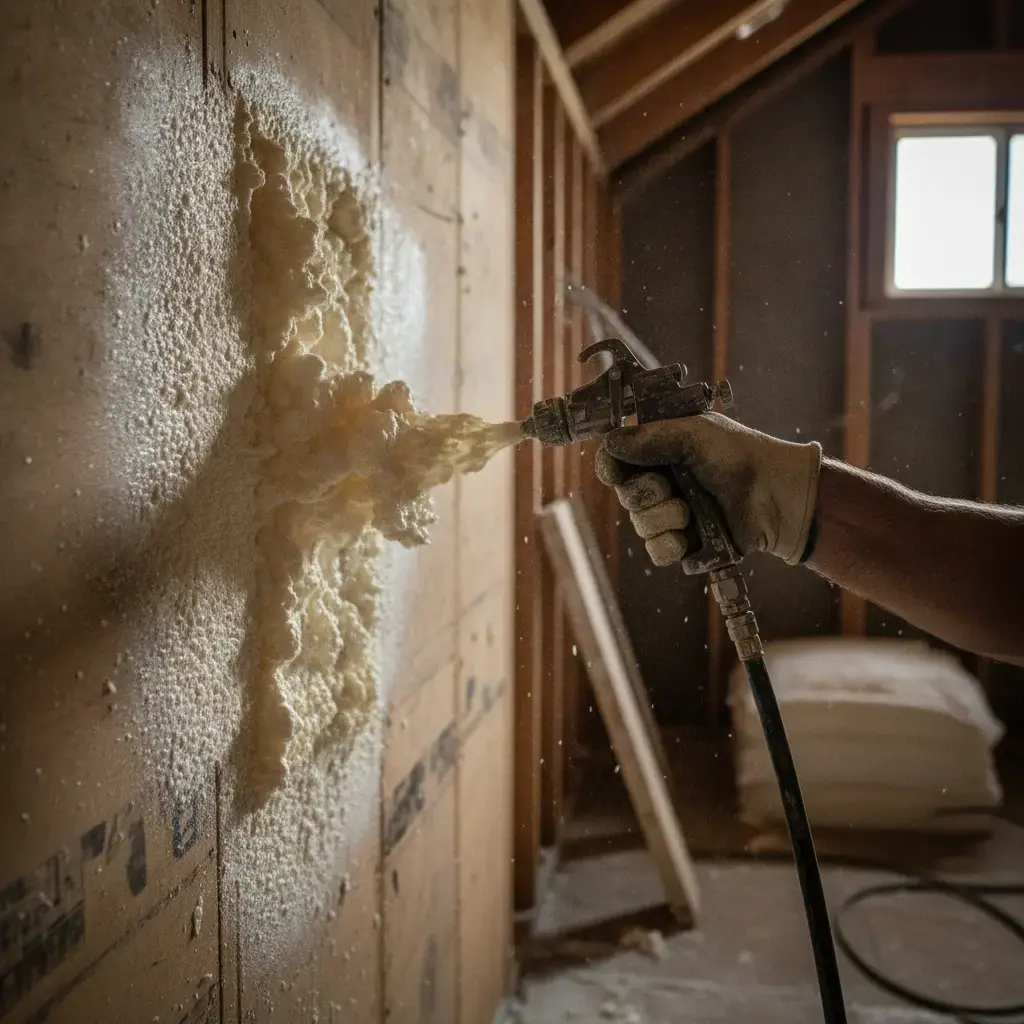
Fiberglass Insulation in Anaheim, CA
Energy-Saving Fiberglass Insulation for Anaheim, CA Homes — Licensed & Insured
Need fiberglass insulation in Anaheim, CA? Climate Guard installs R-38–R-49 fiberglass for Title 24 compliance. Free estimates. Call (858) 927-1082 today.
Fiberglass insulation is one of the most widely used and effective thermal and acoustic barrier systems available for residential and commercial buildings. Composed of fine glass fibers woven into batts, rolls, or blown-in loose fill, fiberglass insulation creates a dense thermal envelope that slows heat transfer, reduces energy bills, and improves indoor comfort year-round.
In Anaheim, CA — where summer temperatures routinely climb above 95°F in inland areas and the Santa Ana winds push extreme dry heat into neighborhoods from Anaheim Hills to West Anaheim — proper insulation is not a luxury. It is a structural necessity. Climate Guard Attic Insulation specializes in fiberglass insulation installation tailored to Southern California’s unique climate demands, building codes, and housing stock. Whether you own a 1960s tract home near Disneyland Resort or a newer construction in the Platinum Triangle, our team delivers precision insulation solutions designed for Anaheim’s specific conditions.
Call us today at (858) 927-1082 to schedule your free insulation assessment.
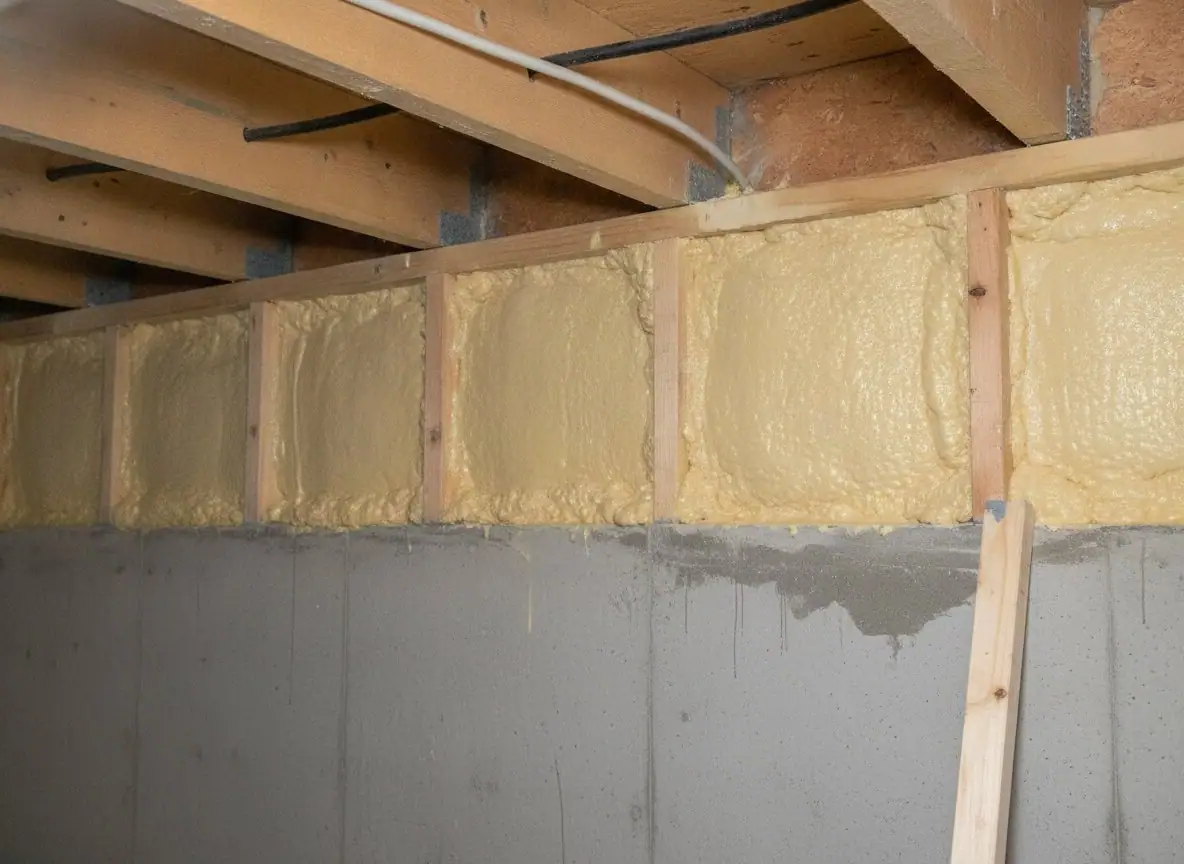
Understanding Fiberglass Insulation
Fiberglass insulation was first developed in the 1930s when researcher Dale Kleist accidentally discovered that high-pressure air could be used to convert molten glass into fine fibers. By the 1940s and 1950s, fiberglass had become the standard insulation material in American residential construction, and it remains the most commonly installed insulation type in the United States today, accounting for roughly 45% of the residential insulation market.
The material works through a principle called convective resistance. The tiny air pockets trapped between thousands of interwoven glass fibers resist the movement of heat. This resistance is measured in R-values — a standardized thermal resistance rating. Higher R-values indicate greater insulating power. In California, Title 24 energy code compliance for attic insulation in Climate Zone 8, which covers Anaheim, requires a minimum R-38 for existing homes and R-49 for new construction attic assemblies.
Read moreShow less
Fiberglass insulation comes in several forms:
- Batts and Rolls: Pre-cut panels designed to fit between standard stud and joist spacing. Ideal for open wall cavities and attic floors with consistent framing.
- Blown-In Loose Fill: Shredded fiberglass blown through a hose into irregular cavities, attic floors, or enclosed wall spaces. Excellent for retrofit applications.
- Faced vs. Unfaced: Faced batts include a kraft paper or foil vapor retarder on one side, used in specific climate applications. Unfaced batts are used in warm climates like Anaheim where vapor drive from the exterior is less of a concern.
In Anaheim’s predominantly Mediterranean climate, fiberglass insulation excels because it is non-combustible, moisture-resistant when properly installed, and cost-effective at the R-values required by California’s Title 24 code. The housing stock across Anaheim spans from post-war bungalows built in the late 1940s to modern mixed-use developments in the Platinum Triangle, and fiberglass insulation can be adapted to suit all of these building types and eras effectively.
Unlike spray foam, fiberglass does not expand or contract significantly with temperature shifts, making it dimensionally stable in Anaheim’s climate where temperature swings between night and day can exceed 30°F during summer months. Learn more about our attic insulation services
Why Fiberglass Insulation Is Needed in Anaheim, CA
The Anaheim Heat Island Effect
Anaheim sits in the northern inland portion of the Los Angeles Basin, where the urban heat island effect is compounded by natural geographic factors. The city is flanked by the Santa Ana Mountains to the east and channeled by the Chino Hills to the northeast. According to NOAA climate data, Anaheim’s average July high temperature is approximately 93°F, but neighborhoods like Anaheim Hills regularly record temperatures 5–8°F higher than coastal Orange County cities like Costa Mesa during peak summer heat events. In September 2022, a record-breaking heat dome pushed temperatures in Anaheim to 108°F — one of the most severe heat events in Southern California’s recorded history — exposing tens of thousands of inadequately insulated homes to dangerous indoor heat levels.
Santa Ana Wind Events
The Santa Ana winds, which typically arrive between October and March, drive hot, dry air from the inland deserts westward through the Cajon and Santa Ana Canyon passes at speeds reaching 50–70 mph. These events create dramatic pressure differentials that force unconditioned air through building envelope gaps in attics, crawl spaces, and wall cavities. Homes in Anaheim Hills neighborhoods such as Summit Ranch and Canyon Rim — which sit at elevations above 500 feet — are particularly exposed to wind-driven thermal infiltration. Fiberglass insulation installed at proper density in attic assemblies creates a thermal break that reduces this infiltration significantly.
Aging Housing Stock in Central Anaheim
A substantial portion of Anaheim’s residential housing was built between 1945 and 1975 in neighborhoods such as Colony Park, Anaheim Shores, and the blocks surrounding Ball Road and Euclid Street. Homes from this era were built before California’s Title 24 energy code was enacted in 1978, meaning they were constructed with little to no attic insulation — or with degraded insulation averaging R-11 or less. Modern energy code requires R-38 to R-49 in attic assemblies, meaning many Anaheim homes are operating at a deficit of 27 to 38 R-value points below current standards.
Cooling Load Costs
Southern California Edison, which serves the majority of Anaheim residential customers, reports that cooling accounts for approximately 40–50% of annual household energy use in inland Orange County. Homes without adequate fiberglass attic insulation can see attic air temperatures reach 150°F or higher during summer afternoons, radiating heat directly into living spaces and forcing HVAC systems to run 30–40% longer than necessary. Installing R-38 to R-49 fiberglass insulation typically reduces cooling energy consumption by 20–30% annually, delivering measurable return on investment within 3–5 years in Anaheim’s climate. Learn about our insulation removal and replacement services
Free, no-obligation estimates
Talk to Climate Guard Attic Insulation
Tell us what you need and we’ll take it from there.
Signs You Need Fiberglass Insulation in Anaheim
Energy and Comfort Indicators
- Monthly electricity bills from Southern California Edison exceeding $250–$300 during July through September despite moderate thermostat settings
- Rooms on the upper floor or beneath the roofline consistently 8–12°F warmer than the rest of the home
- HVAC system running nearly continuously during afternoon hours without reaching the set temperature
- Cold drafts entering through ceiling fixtures, recessed lights, or attic access hatches during Santa Ana wind events
Visual and Structural Warning Signs
- Visible attic insulation that appears compressed, flattened, or thinner than 10 inches (indicating R-value below R-30)
- Insulation that appears yellow-brown, matted, or contaminated with rodent debris or moisture staining
- Gaps or voids between insulation batts, particularly around ceiling joists, HVAC ducts, or recessed lighting canisters
- Absence of insulation in knee walls or attic-adjacent spaces in split-level Anaheim Hills homes
Age-Based Urgency Indicators
- Home built before 1978 with no documented insulation upgrade
- Insulation that has not been replaced or augmented in more than 20 years
- Recent pest control treatments that displaced or contaminated existing attic insulation
Explore our insulation replacement options
Our process
Our Fiberglass Insulation Installation Process in Anaheim
Climate Guard Attic Insulation follows a structured, multi-step process that accounts for Anaheim’s specific building types, climate zone requirements, and California Title 24 compliance standards.
- 01
Free In-Home Assessment (1–2 Hours)
Our technician performs a thorough inspection of your attic, crawl space, and wall assemblies. We use a calibrated infrared thermal camera to detect temperature differentials and air leakage points. We document existing insulation depth with a ruler gauge and
- 02
Existing Insulation Evaluation and Removal If Necessary (2–4 Hours)
If existing insulation is contaminated, compressed below R-15, or degraded by moisture from Anaheim’s occasional marine layer intrusion events, we recommend full removal using industrial vacuum equipment before new installation. This is especially common in pr
- 03
Air Sealing (1–3 Hours)
Before insulation is installed, we seal all penetrations in the attic floor — recessed lights, plumbing chases, electrical wire penetrations, and HVAC duct boots — using fire-rated caulk and spray foam. This step is critical in Anaheim’s windy climate, where u
- 04
Fiberglass Installation (3–6 Hours Depending on Square Footage)
For attic floors, we install blown-in fiberglass to a minimum depth achieving R-38 to R-49 as required by California Title 24 for existing and new construction respectively. Batt insulation is installed in wall cavities and knee walls where applicable. All ins
- 05
Ventilation Verification
Anaheim’s warm climate requires maintaining proper soffit-to-ridge attic ventilation ratios (1:150 per California code) even after insulation installation. We verify that blown-in insulation has not blocked soffit vents and install baffles where necessary.
- 06
Final R-Value Verification and Documentation
We measure final insulation depth at multiple points and provide a written Certificate of Insulation documenting R-value achieved, product brand, and installation date — documentation required for California energy rebates through SoCal Edison and the TECH Cle
Fiberglass Insulation Methods and Approaches
Blown-In Fiberglass (Loose Fill)
The most common method used in Anaheim attic retrofits. Shredded fiberglass is blown through a flexible hose using a commercial blowing machine, allowing it to conform to irregular joist spacing and fill around obstructions. This method is ideal for the varied attic configurations found in Anaheim Hills custom homes and central Anaheim tract housing alike. Installation depth for R-38 in Climate Zone 8 requires approximately 12–13 inches of blown-in fiberglass.
Fiberglass Batt Installation
Pre-cut batt panels are fitted between wall studs, floor joists, and roof rafters. This method is best suited for new construction or open-framed renovation projects. In Anaheim, batts are frequently used during room addition construction and garage conversion projects — both common in neighborhoods like Anaheim Colony and the streets east of Harbor Boulevard.
Fiberglass Batt in Crawl Spaces
In homes with accessible crawl spaces — common in older Anaheim properties near the Santa Ana River floodplain — fiberglass batts are installed between floor joists with the vapor retarder facing up toward the conditioned space. This method is often paired with crawl space encapsulation for maximum moisture management. Learn about crawl space insulation
High-Density Fiberglass Batts for Wall Cavities
High-density fiberglass batts (approximately R-15 per 3.5-inch wall cavity) are used in wall insulation upgrades common during Anaheim’s active home renovation and ADU construction market. These provide superior sound attenuation — an important consideration near the Anaheim Resort District and along major corridors like Katella Avenue and Ball Road. Compare with spray foam insulation options
Fiberglass Insulation Cost in Anaheim, CA
Understanding the cost of fiberglass insulation in Anaheim requires accounting for home size, existing conditions, access difficulty, and the specific installation method selected.
Typical Price Ranges
- Blown-In Fiberglass Attic Insulation: $1.50–$2.50 per square foot installed. For a typical 1,500 sq ft Anaheim attic, expect $2,250–$3,750 for a complete R-38 installation.
- Fiberglass Batt Installation (Attic or Walls): $1.00–$2.00 per square foot installed. Wall batt upgrades in a 2,000 sq ft home typically run $2,000–$4,000 depending on access method.
- Insulation Removal + Replacement: Add $1.00–$1.50 per square foot for removal of existing degraded material before new installation. Full attic removal and replacement typically ranges $3,500–$6,500 for an average Anaheim home.
- Crawl Space Fiberglass Batt: $2.00–$3.00 per square foot for floor joist installation.
Read moreShow less
Anaheim-Specific Cost Factors
Anaheim Hills custom homes with complex rooflines, cathedral ceilings, and limited attic access points typically add 15–25% to standard installation costs due to labor complexity. Homes in the Resort District built as short-term rental investments may require expedited scheduling, which can affect pricing.
Available Rebates
Southern California Edison’s TECH Clean California program offers rebates of $0.10–$0.25 per square foot for qualifying insulation upgrades that meet Title 24 standards. Anaheim homeowners may also qualify for federal tax credits of up to 30% of installation costs under the Inflation Reduction Act’s Section 25C energy efficiency provisions. We provide all documentation required to claim these incentives.
Call (858) 927-1082 for a precise written estimate for your Anaheim home.
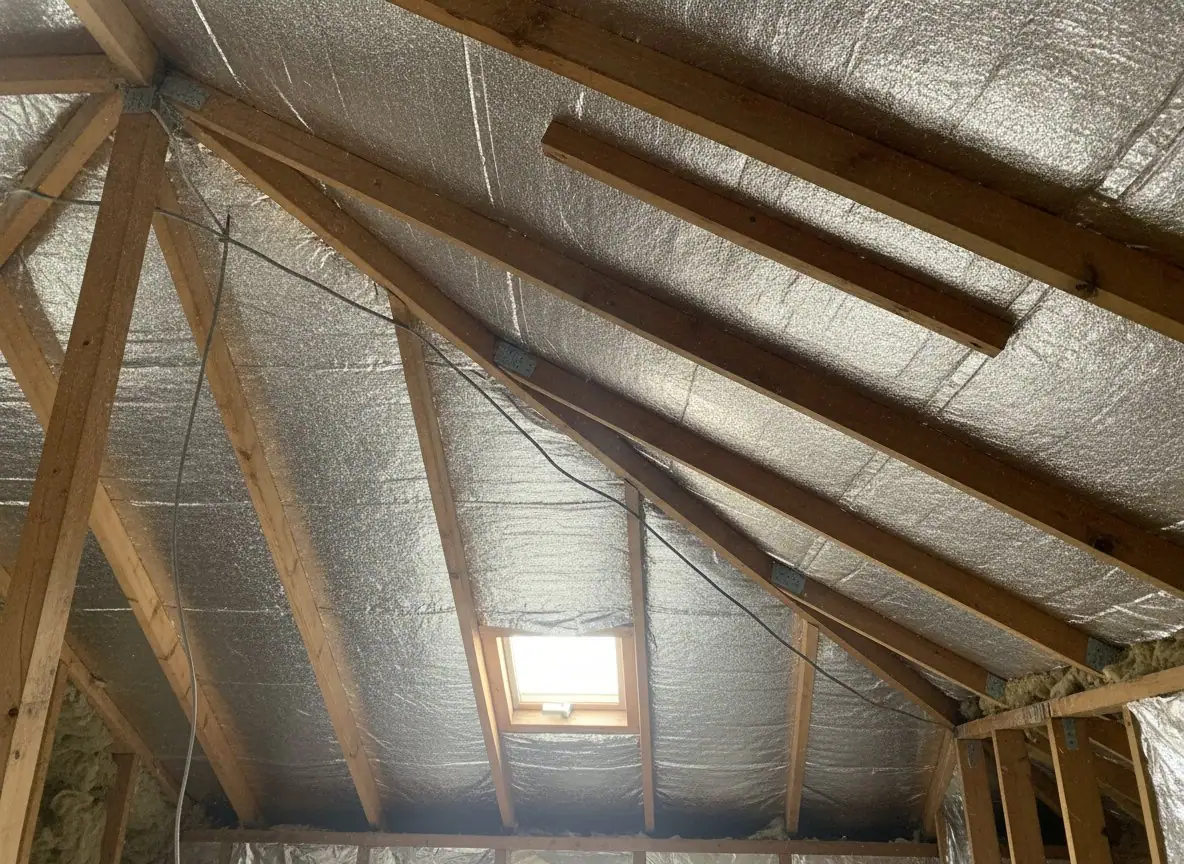
Neighborhoods We Serve in Anaheim
Anaheim Hills
This hillside community, developed primarily between 1970 and 1995, features large custom and semi-custom homes with complex rooflines, vaulted ceilings, and significant exposure to Santa Ana wind events. Many homes here have insulation from the original build era that no longer meets current R-value requirements. We frequently perform blown-in fiberglass upgrades to R-49 in this area.
Colony Park / Central Anaheim
The historic core of Anaheim surrounding the original Colony area near Anaheim Boulevard and Center Street contains some of the oldest housing stock in the city — homes dating to the 1940s and 1950s with attic insulation levels often at R-11 or below. These properties are prime candidates for combined insulation removal and full-depth blown-in fiberglass replacement.
West Anaheim / Ball Road Corridor
The dense residential neighborhoods west of Harbor Boulevard, including areas near Western High School and Brookhurst Street, feature 1960s and 1970s tract homes with standard 2×4 wall framing. Blown-in and batt insulation upgrades are common here, particularly as part of whole-home energy efficiency improvements supported by SoCal Edison rebate programs.
Platinum Triangle
This mixed-use district near Angel Stadium features newer mid-rise and high-rise residential developments. Insulation needs here center more on acoustic performance and wall cavity treatment during tenant improvement and unit renovation projects. Explore our blow-in insulation services
Fiberglass Insulation Maintenance Tips for Anaheim Homeowners
- Inspect Insulation Depth Annually: Use a ruler to measure insulation depth in your attic each fall before Santa Ana wind season. If depth has dropped below 10 inches, R-value may have fallen below the Title 24 minimum for Anaheim’s Climate Zone 8.
- Check for Pest Intrusion: Roof rats and squirrels — common in the tree-lined streets of Anaheim Hills and the Colony Park area — can nest in and compress attic insulation. Look for droppings, tunneling, or matted areas.
- Verify Soffit Vent Clarity: Blown-in insulation can migrate toward soffit edges during wind events. Confirm vents remain clear by checking from inside the attic at soffit perimeters each year.
- Keep Attic Access Hatches Insulated and Sealed: The attic hatch is one of the most common air leakage points. Ensure it has an insulated cover and a perimeter weather seal.
- Address Roof Leaks Promptly: Wet fiberglass loses up to 40% of its R-value when saturated. After heavy winter rains — uncommon but impactful in Anaheim — inspect for moisture staining on attic insulation surfaces.
- Monitor HVAC Duct Insulation: Ductwork running through unconditioned attic spaces should be insulated to R-8 per Title 24. Verify duct insulation integrity during your annual attic inspection.
- Schedule a Professional Re-Assessment Every 5–7 Years: Fiberglass settles over time. A professional re-assessment ensures your R-value remains at peak performance and that any air sealing work remains intact.
Why Choose Climate Guard Attic Insulation in Anaheim
Climate Guard Attic Insulation is a specialized insulation contractor with deep knowledge of Orange County’s building stock, climate conditions, and California Title 24 energy code requirements. We are not a general contractor who occasionally installs insulation — insulation is our singular focus, and that specialization translates directly into better installation quality and outcomes for our Anaheim clients.
We serve homeowners across Anaheim’s diverse neighborhoods, from the oldest Colony-era bungalows to the newest Anaheim Hills custom builds, with insulation solutions precisely matched to each home’s construction era, framing system, and climate exposure.
Our service portfolio covers every insulation need a property owner may have: attic insulation, spray foam insulation, blow-in insulation, crawl space encapsulation, crawl space insulation, insulation removal, and insulation replacement.
Read moreShow less
We provide detailed written estimates, complete installation documentation for rebate and tax credit applications, and honest recommendations — including when an alternative insulation type may serve your home better than fiberglass. Call us at (858) 927-1082 to speak with an Anaheim insulation specialist today.
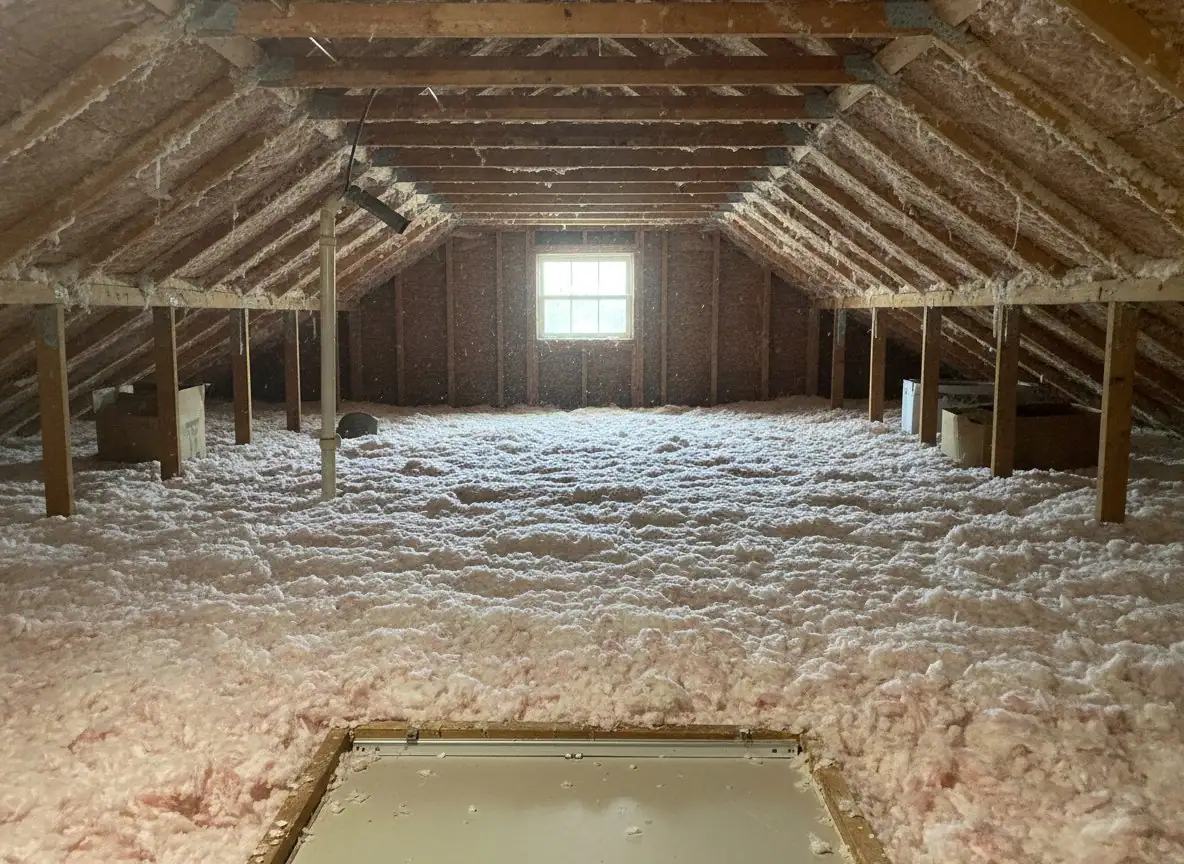
FAQ
Frequently Asked Questions: Fiberglass Insulation in Anaheim, CA
How much does fiberglass insulation cost in Anaheim, CA?
For a typical Anaheim home with a 1,200–1,800 sq ft attic, blown-in fiberglass insulation to R-38 costs approximately $1,800–$4,500 installed, depending on attic accessibility and whether existing insulation requires removal. Anaheim Hills homes with complex attic configurations may be priced at the higher end of this range. We provide free written estimates before any work begins.
What R-value does my Anaheim home need?
Anaheim falls within California Climate Zone 8. California’s Title 24 energy code requires a minimum of R-38 for attic insulation in existing homes and R-49 for new construction. Wall insulation requirements are R-15 for 2×4 framing and R-21 for 2×6 framing. Many Anaheim homes built before 1978 have attic insulation at R-11 or below and need significant upgrades to meet current standards.
How long does fiberglass insulation installation take in an Anaheim home?
For a standard attic blown-in installation in a 1,500–2,000 sq ft Anaheim home, installation typically takes 4–8 hours including air sealing. Homes requiring insulation removal first add 2–4 hours. Complex Anaheim Hills properties with limited access may require a full day. We schedule most Anaheim installations within 5–7 business days of assessment.
Is fiberglass insulation safe?
Modern fiberglass insulation products do not contain asbestos and are classified by the EPA as non-hazardous waste. The glass fibers can cause temporary skin and respiratory irritation during installation, which is why our technicians wear full protective equipment. Once installed and covered, fiberglass poses no health risk to occupants. Fiberglass is also non-combustible, an important fire safety consideration in Anaheim Hills where wildland-urban interface fire risk is a documented concern.
Should I choose blown-in fiberglass or fiberglass batts for my Anaheim attic?
For most existing Anaheim homes with finished attic floors or attics with obstructions, blown-in fiberglass is the superior choice because it fills irregularly spaced joists and works around obstructions without gaps. Batts are ideal for new construction or renovation projects where the joist bays are fully accessible and consistently spaced. Our technicians assess your specific attic configuration and recommend the optimal approach.
Does fiberglass insulation qualify for California energy rebates?
Yes. Anaheim homeowners served by Southern California Edison may qualify for TECH Clean California rebates for qualifying insulation upgrades. Federal tax credits under the Inflation Reduction Act (Section 25C) offer up to 30% of insulation installation costs, capped at $1,200 per year. We provide all required documentation, including the Certificate of Insulation specifying R-value achieved, to support your rebate and tax credit claims.
How do I know if my existing Anaheim home insulation needs replacement versus augmentation?
If your existing insulation is structurally intact, dry, and uncontaminated, augmenting it with additional blown-in fiberglass on top is typically the most cost-effective approach. However, if insulation shows signs of pest contamination, moisture damage, mold, or significant compression — common in pre-1975 central Anaheim homes — full removal and replacement is recommended. Our free assessment includes an honest evaluation of which approach is appropriate for your specific situation.
Do you serve areas surrounding Anaheim?
Yes. In addition to Anaheim, Climate Guard Attic Insulation serves Santa Ana, Brea, Buena Park, Costa Mesa, Cypress, Fullerton, Garden Grove, La Palma, Orange, Stanton, Tustin, Villa Park, Westminster, and Yorba Linda. Call (858) 927-1082 to confirm service availability in your specific location.
Get Your Free Fiberglass Insulation Estimate in Anaheim Today
If your Anaheim home is uncomfortable in summer, your energy bills are climbing, or your attic insulation has not been assessed in over a decade, now is the time to act. Climate Guard Attic Insulation provides free, no-obligation in-home assessments and detailed written estimates for fiberglass insulation installation throughout Anaheim and the surrounding Orange County communities.
Our team is ready to evaluate your attic, calculate your current R-value against California Title 24 requirements, and recommend the most cost-effective path to a more comfortable, energy-efficient Anaheim home — before the next heat wave or Santa Ana wind event arrives.
Call us now at (858) 927-1082 or contact us online to schedule your free assessment. We serve Anaheim and all surrounding Orange County communities with fast scheduling and professional installation. Don’t let another Anaheim summer drain your comfort and your wallet.
Get in touch
Find insulation help near you
Request a free estimate online or give us a call — our team will follow up quickly.
- Call us(858) 927-1082
- Visit1127 N Fountain Way, Anaheim, CA 92806
- HoursMon - Sun 07:00-19:00