
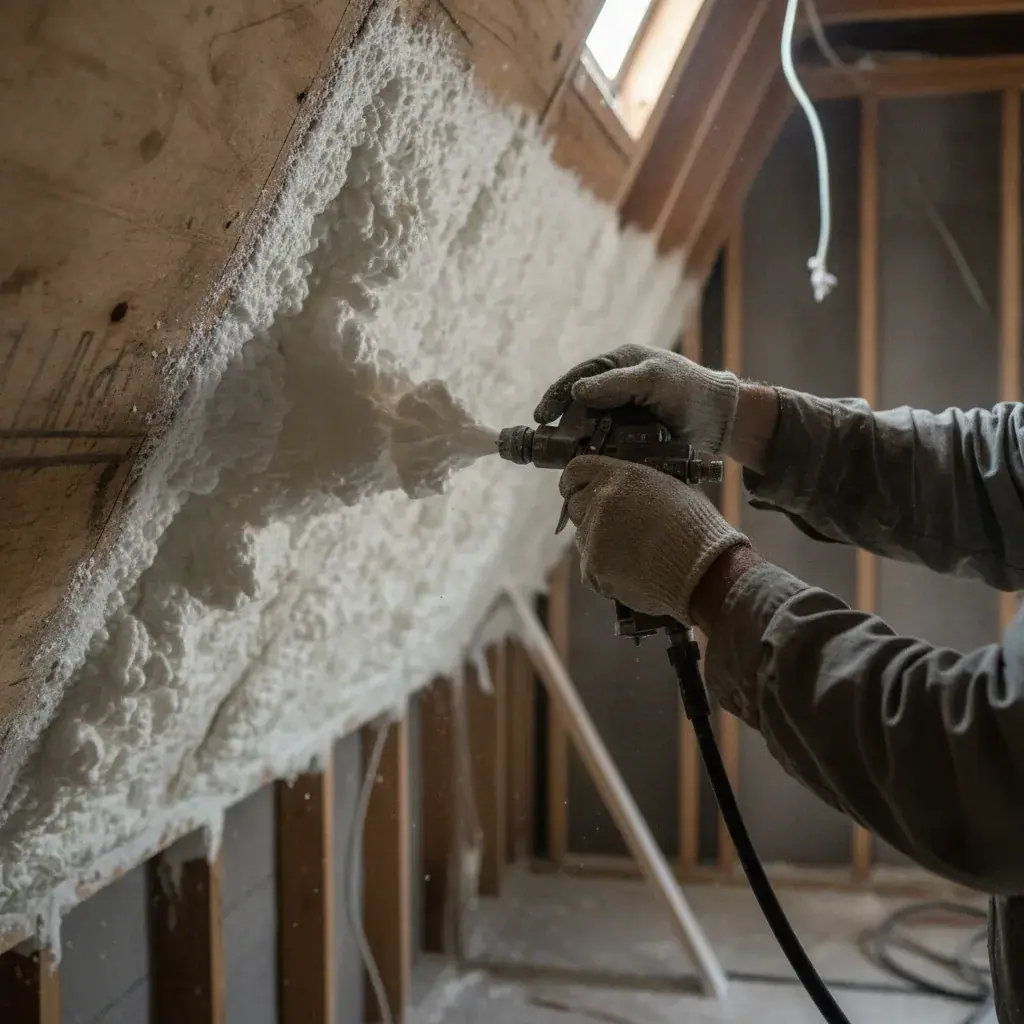
Rockwool Insulation in Anaheim, CA
Energy-Saving Rockwool Insulation for Anaheim, CA Homes — Licensed & Insured
Need Rockwool insulation in Anaheim, CA? Climate Guard offers expert installation for homes & businesses. Free quotes. Call (858) 927-1082 today!
Rockwool insulation — also known as mineral wool or stone wool insulation — is a premium, fire-resistant insulation material manufactured from volcanic basalt rock and recycled steel slag. Spun into dense, fibrous batts or boards, Rockwool delivers exceptional thermal performance, outstanding soundproofing, and unmatched resistance to heat and moisture.
In Anaheim, CA, where summer temperatures regularly climb above 95°F, wildfire smoke events drift in from surrounding hillsides, and older residential neighborhoods battle chronic energy inefficiency, Rockwool insulation offers a uniquely suited solution. Its non-combustible core withstands temperatures up to 2,150°F — a critical advantage in Southern California’s fire-prone climate.
Read moreShow less
At Climate Guard Attic Insulation, our team brings deep local knowledge of Anaheim’s building stock, climate patterns, and municipal code requirements. Whether you need insulation installation in a mid-century tract home near Disneyland Resort or a newer construction in Anaheim Hills, we deliver expert Rockwool solutions tailored to your property. Call us today at (858) 927-1082 to get started.
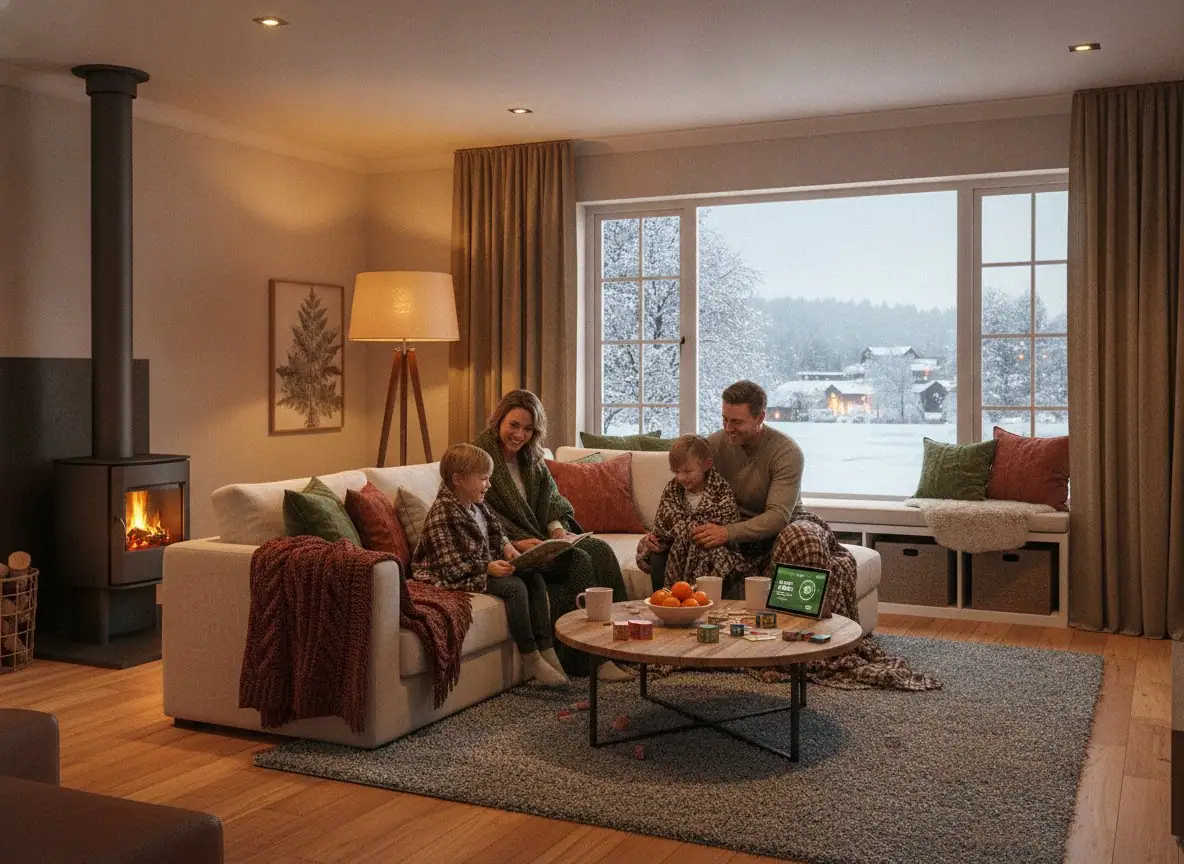
Understanding Rockwool Insulation
Rockwool insulation traces its origins to the early 20th century, when researchers discovered that volcanic rock could be melted and spun into fibers similar to natural wool. The commercial product we know today was refined through the mid-1900s and became widely used in European construction before gaining significant traction in North American residential and commercial markets from the 1980s onward.
At its core, Rockwool is produced by melting basalt rock and recycled industrial slag at temperatures exceeding 2,900°F, then spinning the molten material into fine, interlocking fibers. The result is a dense, water-repellent batt that holds its shape over decades without settling or compressing — a known weakness of traditional fiberglass insulation.
Read moreShow less
Rockwool’s thermal resistance (R-value) ranges from R-15 to R-23 for standard 3.5-inch batts, making it significantly denser and more effective per inch than fiberglass alternatives. Beyond thermal performance, Rockwool absorbs sound at a noise reduction coefficient (NRC) of up to 1.0, making it ideal for interior walls, home theaters, and properties near high-traffic corridors like the I-5 freeway that bisects Anaheim.
In Orange County, Rockwool has seen rapid adoption across a variety of building types:
- Post-war tract homes (1945–1965): Thousands of homes in west Anaheim were built rapidly after World War II with minimal insulation. Rockwool retrofits are common in these structures.
- 1970s and 1980s subdivisions: Properties in areas like Anaheim Hills often have aging fiberglass batts that have compressed over time, making Rockwool replacement a practical upgrade.
- Commercial and mixed-use buildings: Anaheim’s tourism-heavy economy means hotels, retail centers, and mixed-use complexes near the Resort District increasingly specify Rockwool for fire code compliance and acoustic performance.
- New construction: Modern builds in east Anaheim and the Platinum Triangle development zone frequently incorporate Rockwool to meet California’s demanding Title 24 energy efficiency standards.
Because Rockwool is hydrophobic — meaning it actively repels water rather than absorbing it — it is especially well-suited to Anaheim’s Mediterranean climate, where seasonal rains and marine layer humidity create conditions that can compromise moisture-sensitive insulation materials over time.
Why Rockwool Insulation Is Needed in Anaheim, CA
Extreme Summer Heat and the Urban Heat Island Effect
Anaheim’s inland location means it regularly absorbs more heat than coastal Orange County cities. Average July high temperatures reach 95°F, and during heat events — such as the September 2022 heat dome that pushed Anaheim to 109°F — poorly insulated attics can reach internal temperatures of 150°F or higher. Standard fiberglass insulation loses effectiveness at elevated temperatures, while Rockwool maintains consistent R-value performance regardless of ambient heat.
The Anaheim Resort District and surrounding commercial corridors also contribute to the urban heat island effect. Acres of asphalt, parking structures, and dark roofing materials in the area surrounding Disneyland and Angel Stadium of Anaheim radiate stored heat into adjacent residential neighborhoods like Vine, Colony, and Packing District — all of which sit within one to three miles of major heat-absorbing commercial zones.
Santa Ana Wind Events and Wildfire Smoke
Anaheim’s proximity to the Puente Hills, Santa Ana Mountains, and the Cleveland National Forest puts it in a recurring wildfire smoke corridor. The October 2019 Saddleridge Fire, the December 2017 Thomas Fire, and several 2020 and 2021 fire events all resulted in days of unhealthy air quality in Anaheim, with AQI readings exceeding 200. Gaps in poorly insulated building envelopes allow smoke particulates to infiltrate interior spaces. Properly installed Rockwool batts, paired with air sealing, create a tighter building envelope that resists airborne intrusion.
Santa Ana wind events — which typically arrive between October and March with sustained speeds of 30–60 mph and gusts exceeding 80 mph in nearby passes — lower relative humidity to below 10%, rapidly drying out building materials and accelerating energy loss through poorly insulated walls and attics.
Aging Building Stock in West and Central Anaheim
Large portions of Anaheim were developed during the post-war housing boom between 1945 and 1965. Neighborhoods including the Colony Historic District, Pearson Park area, and the stretch of homes along Euclid Street and Lincoln Avenue contain hundreds of single-family homes built before California adopted mandatory insulation standards in 1978. Many of these homes have little to no wall insulation and degraded attic insulation — or none at all.
The California Energy Commission estimates that homes without proper insulation lose up to 40% of their conditioned air through the attic and walls. At current Southern California Gas and Southern California Edison average rates, that translates to $600–$1,400 in annual wasted energy costs for a typical 1,500–2,200 sq ft Anaheim home.
Seismic Activity and Structure Movement
Anaheim sits within 25 miles of multiple active fault systems, including the Whittier Fault and the Puente Hills Fault. Minor seismic activity can shift building frames slightly, creating gaps in batt insulation that was not firmly fitted. Rockwool’s friction-fit installation method and its resistance to compression make it more resilient to minor structural movement than fiberglass alternatives.
Free, no-obligation estimates
Talk to Climate Guard Attic Insulation
Tell us what you need and we’ll take it from there.
Signs You Need Rockwool Insulation in Anaheim
Energy and Comfort Indicators
- Monthly electricity bills above $180–$220 during June through September without explanation
- Rooms that feel noticeably hotter than thermostat settings — often by 8°F or more
- HVAC system running continuously during peak afternoon hours (2–6 PM) without reaching set temperature
- Cold drafts in winter along interior walls, particularly in older Colony or west Anaheim homes
Visual and Physical Symptoms
- Visibly compressed, discolored, or missing fiberglass batts in attic or crawl space
- Blown-in insulation that has settled below the top of attic floor joists (should be at least 10–12 inches deep)
- Moisture stains or mold on attic sheathing, indicating condensation from inadequate insulation
- Daylight visible through wall cavities during inspection
Sound and Air Quality Issues
- Clearly audible freeway noise from the I-5 or SR-57 inside living spaces
- Smoke or outdoor odors penetrating the home during Santa Ana wind events
- Increased dust accumulation on interior surfaces — a sign of air infiltration through insulation gaps
Urgency Indicators
If your home was built before 1978, you have not had an insulation inspection in the past 10 years, or you are preparing for a Title 24 compliance inspection, schedule a professional assessment immediately. Call Climate Guard at (858) 927-1082.
Our process
Our Rockwool Insulation Installation Process in Anaheim
- 01
Free On-Site Assessment (Day 1 — 60–90 Minutes)
A Climate Guard specialist visits your Anaheim property to conduct a full thermal and visual inspection. We assess existing insulation depth and condition, identify air leakage points, check for moisture intrusion, and evaluate attic ventilation. We use infrar
- 02
Custom Project Proposal (Day 1–3)
Based on assessment findings, we deliver a written proposal detailing recommended Rockwool product specifications (R-value targets meeting or exceeding California Title 24 minimums), project scope, timeline, and itemized pricing. We explain all options clearly
- 03
Insulation Removal and Prep (Day 1 of Installation — 2–4 Hours)
If existing insulation is degraded, contaminated, or incompatible, we perform professional insulation removal before installation. We vacuum old blown-in material, remove deteriorated batts, and clean the cavity surfaces to ensure proper adhesion and fit for n
- 04
Air Sealing (Day 1 — 1–2 Hours)
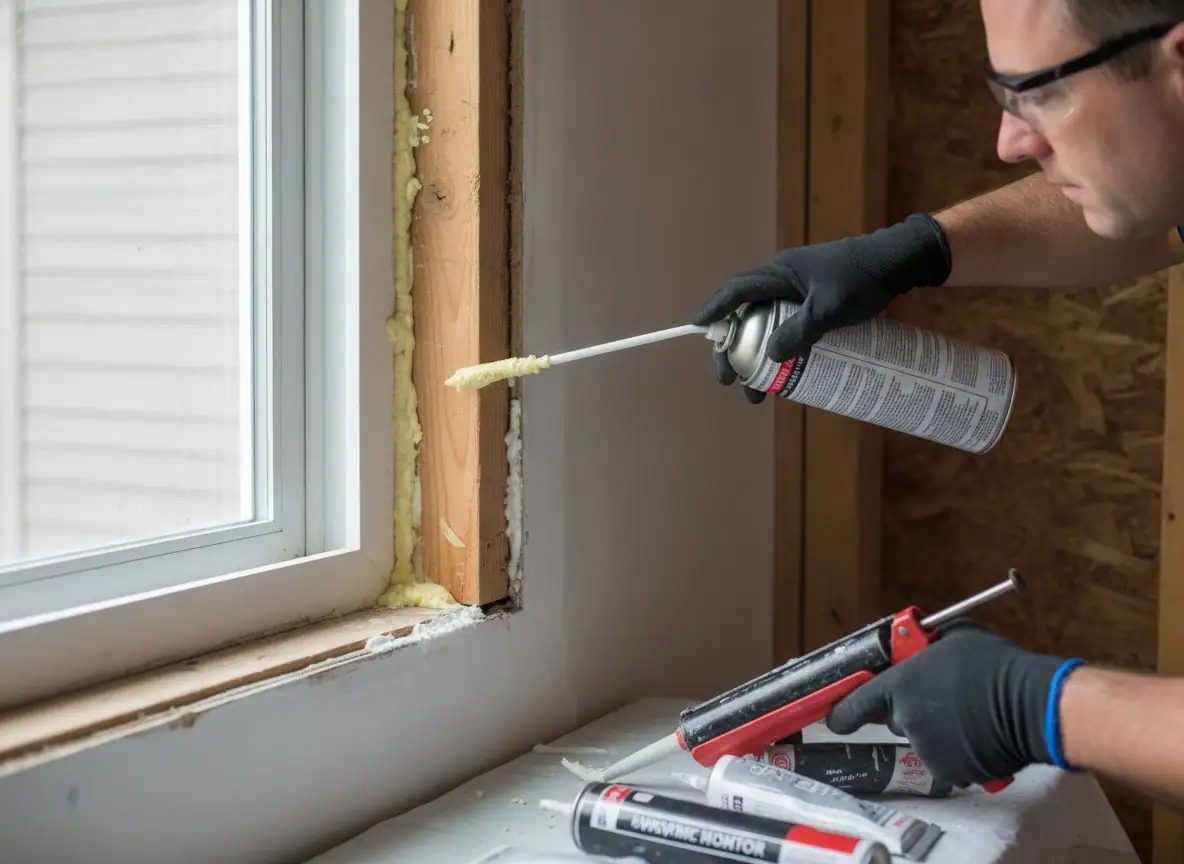
Before Rockwool batts are installed, our technicians seal all penetrations, gaps around recessed lighting, HVAC boot connections, and top plates using foam sealant or caulk. This step is especially important in Anaheim’s older homes, where gaps from decades of
- 05
Rockwool Batt Installation (Day 1–2 — 3–8 Hours Depending on Scope)
Rockwool batts are friction-fit into wall cavities, attic floors, and rafter bays without stapling. Our installers ensure full contact with framing members, eliminating voids and thermal bridges. For attic installations, we work systematically from the eaves i
- 06
Quality Inspection and Documentation (Day 2 — 30–60 Minutes)
After installation, a senior technician performs a walkthrough inspection, confirming coverage depth, proper fit, and ventilation integrity. We provide before-and-after photos and a written completion report — documents useful for HOA compliance in communities
- 07
Cleanup and Final Walkthrough (Day 2 — 30 Minutes)
We remove all packaging, debris, and equipment from your property. A final client walkthrough ensures your complete satisfaction before we close the project.
Rockwool Insulation Methods and Approaches
1. Rockwool Batt Installation (Most Common)
Pre-cut Rockwool batts — available in standard 2×4 (R-15) and 2×6 (R-23) wall widths and attic floor dimensions — are friction-fit into framing cavities. This is the primary method used in Anaheim’s residential attic insulation projects and wall retrofits. Ideal for new construction or open-wall renovation projects.
2. Rockwool + Spray Foam Hybrid
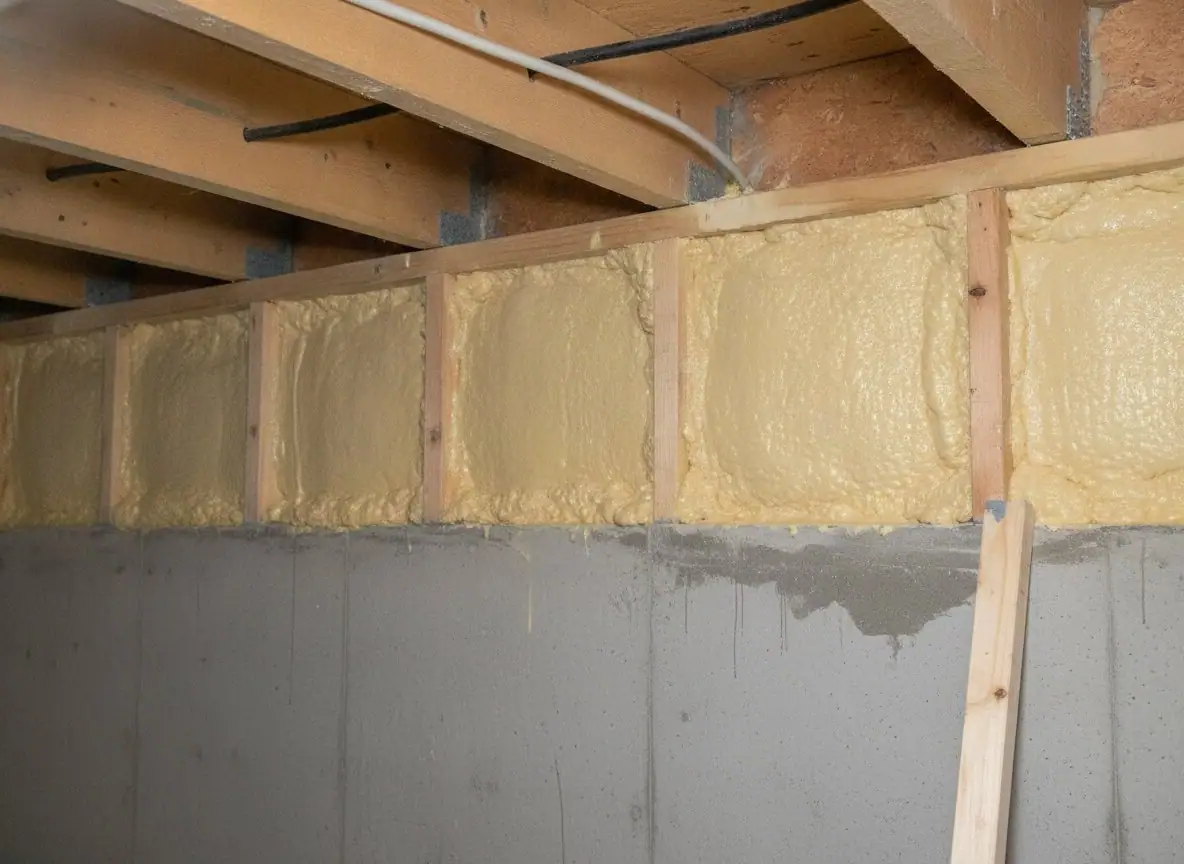
In Anaheim homes with complex attic geometry — particularly multi-gable rooflines common in 1980s Anaheim Hills estates — we combine Rockwool batts with closed-cell spray foam at penetrations and irregular cavities. Spray foam insulation handles air sealing while Rockwool provides the bulk of thermal and acoustic performance.
3. Rockwool Over Existing Insulation (Attic Top-Up)
Where existing blown-in insulation is in fair condition but insufficient depth (under 10 inches), we install a layer of Rockwool batts horizontally across attic floor joists as a top-up layer. This is cost-effective for mid-century Anaheim homes where removing original insulation is not warranted.
4. Rockwool for Crawl Spaces
Rockwool’s moisture-resistant properties make it an excellent choice for crawl space insulation in Anaheim properties with raised foundations. It is installed between floor joists and paired with a vapor barrier or full crawl space encapsulation system where ground moisture is present.
5. Rockwool Acoustic Partition Walls
Properties near Anaheim’s Resort District, Angel Stadium, or the Honda Center benefit from Rockwool’s superior Sound Transmission Class (STC) ratings. We install high-density Rockwool Safe’n’Sound batts in interior partition walls to reduce airborne noise transfer by up to 10–15 STC points compared to empty wall cavities.
Rockwool Insulation Cost in Anaheim, CA
Understanding Rockwool insulation costs in Anaheim helps homeowners and property managers plan and budget effectively. Below are current market ranges based on project type and scope.
Typical Cost Ranges
- Attic insulation (Rockwool batts, 1,000–1,500 sq ft): $1,800–$3,500
- Wall insulation retrofit (open wall, per 1,000 sq ft): $2,200–$4,000
- Crawl space Rockwool insulation (per 1,000 sq ft): $1,500–$3,000
- Acoustic partition wall installation (per linear foot): $8–$18
- Hybrid Rockwool + spray foam system: $3,500–$6,500 for a typical 1,800 sq ft Anaheim home
Key Cost Factors
- Home age and access: Pre-1978 Anaheim homes often require additional air sealing preparation, adding $300–$600 to project costs.
- Insulation removal: Insulation removal and replacement adds $800–$1,800 depending on existing material type and volume.
- R-value target: California Title 24 requires attic insulation of R-38 minimum in Climate Zone 8 (Anaheim’s designation), which may require multiple Rockwool layers.
- Project complexity: Obstructed attics, HVAC equipment relocation needs, and irregular framing in custom Anaheim Hills homes can add 15–25% to base costs.
Read moreShow less
Anaheim-Specific Savings and Rebates
Southern California Edison and SoCalGas both offer rebates for qualifying insulation upgrades in Orange County. Typical rebates range from $0.10–$0.25 per square foot, potentially reducing your net cost by $150–$500 on a full attic project. Climate Guard helps clients identify and document rebate eligibility as part of every project.
Call (858) 927-1082 for a free, no-obligation quote tailored to your Anaheim property.
Anaheim Neighborhoods We Serve
Colony Historic District
One of Anaheim’s oldest neighborhoods, the Colony Historic District features homes dating to the 1880s through 1930s. These properties present unique challenges: original plaster walls, non-standard framing dimensions, and zero original insulation. Rockwool’s flexibility and friction-fit installation make it one of the few materials that can be adapted to irregular cavity widths in these historic structures without damaging original craftsmanship.
Anaheim Hills
The affluent hillside community of Anaheim Hills, developed primarily from the 1970s through the 1990s, features larger homes with complex rooflines and exposed attic spaces. Its elevation and proximity to the Cleveland National Forest make wildfire risk a genuine concern. Rockwool’s fire resistance is a significant advantage here. Many Anaheim Hills HOA communities also have strict exterior standards that Rockwool’s interior installation respects without alteration.
Platinum Triangle and Downtown Anaheim
The Platinum Triangle — Anaheim’s urban core near Angel Stadium and the Honda Center — includes a growing number of high-density residential and mixed-use developments. Acoustic performance is the primary driver here, with Rockwool specified frequently to manage noise from neighboring units, entertainment venues, and the ARTIC transit center.
West Anaheim (Magnolia and Western Avenues Corridor)
West Anaheim’s dense residential grid of 1950s and 1960s ranch homes represents the highest concentration of under-insulated housing stock in the city. These homes are Climate Guard’s most frequent retrofit clients, benefiting greatly from full attic and wall Rockwool insulation replacement projects.
Rockwool Insulation Maintenance Tips for Anaheim Homeowners
- Annual attic inspection: Check Rockwool depth every fall before Santa Ana wind season. Confirm insulation remains at or above 10–12 inches across all attic floor areas.
- Inspect after seismic events: After any earthquake measuring 4.0 or above (not uncommon near the Whittier Fault), visually check attic insulation for displacement or settling around framing members.
- Monitor for moisture after winter rains: Anaheim’s rainy season (November through March) can introduce roof leaks. Check for water staining or compressed Rockwool near roof penetrations after heavy rainfall events.
- Keep soffit vents clear: Avoid pushing Rockwool batts into soffit areas, which would block attic ventilation and trap summer heat — a critical issue given Anaheim’s hot summers.
- Seal new penetrations promptly: Any new electrical, plumbing, or HVAC penetrations through insulated surfaces should be sealed immediately with foam or caulk before the next heating or cooling season.
- Avoid attic storage compression: Do not stack items directly on Rockwool batts in the attic. Use attic flooring panels over joists to protect insulation integrity.
- Schedule a professional re-inspection every 10 years: Even durable Rockwool benefits from periodic professional assessment to verify performance in Anaheim’s evolving climate conditions.
Why Choose Climate Guard Attic Insulation for Rockwool in Anaheim
Climate Guard Attic Insulation is a locally focused insulation contractor with deep experience across Anaheim and the broader Orange County market. Our team understands the specific challenges that Anaheim homeowners and property managers face — from aging Colony District bungalows to modern Platinum Triangle condominiums — and we tailor every Rockwool installation to the specific demands of your building and location.
We offer a comprehensive range of insulation services beyond Rockwool, including spray foam insulation, blow-in insulation, attic insulation, crawl space encapsulation, and insulation removal — allowing us to address your property’s complete insulation needs in a single, coordinated project.
Read moreShow less
Every project begins with a free, no-pressure on-site assessment. We provide transparent, itemized quotes with no hidden fees. Our technicians are trained on California Title 24 compliance requirements specific to Climate Zone 8, ensuring your project meets all code standards. We also assist clients in identifying SoCalGas and SCE rebate eligibility to maximize your return on investment.
Ready to improve your Anaheim home’s comfort, energy efficiency, and fire resilience? Contact Climate Guard today at (858) 927-1082.
FAQ
Frequently Asked Questions: Rockwool Insulation in Anaheim, CA
How much does Rockwool insulation cost in Anaheim?
Rockwool insulation in Anaheim typically costs between $1,800 and $4,000 for a standard attic project covering 1,000–1,500 square feet, depending on access difficulty, existing insulation conditions, and the R-value target required by California Title 24 for Climate Zone 8. Wall and crawl space projects are priced separately. Call us at (858) 927-1082 for a precise, free quote.
Is Rockwool better than fiberglass for Anaheim’s climate?
For most Anaheim applications, yes. Rockwool maintains its R-value at high attic temperatures (up to 150°F on hot summer days), repels moisture from marine layer humidity and winter rains, and is non-combustible — a meaningful advantage in Southern California’s wildfire-adjacent environment. Fiberglass can compress, absorb moisture, and lose effectiveness under the same conditions.
How long does a Rockwool insulation installation take in Anaheim?
Most residential Rockwool projects in Anaheim are completed within one to two days. Simple attic insulation installations in west Anaheim ranch homes can be finished in a single day. Larger projects involving insulation removal, air sealing, and Rockwool installation across multiple areas of a home — such as an Anaheim Hills estate — may require two to three days.
Will Rockwool insulation help with noise from the I-5 freeway?
Yes. Rockwool’s density and fibrous structure give it a noise reduction coefficient (NRC) of up to 1.0 and a Sound Transmission Class (STC) rating of 45–52 for standard wall assemblies. Homes located within one mile of the I-5 or SR-57 corridors in Anaheim see measurable interior noise reduction when exterior walls and attic spaces are upgraded with Rockwool.
Does Rockwool insulation qualify for utility rebates in Orange County?
Yes. Both Southern California Edison and SoCalGas offer rebates for qualifying insulation upgrades in Orange County. Rebate amounts typically range from $0.10 to $0.25 per square foot. Climate Guard helps document your project for rebate applications and can advise you on current program eligibility during your free assessment.
Is Rockwool safe to install in homes with children or pets?
Rockwool is classified as safe for residential use by the International Agency for Research on Cancer (IARC) and does not contain formaldehyde binders, making it safer than some fiberglass alternatives. Once installed and enclosed, there is no airborne fiber exposure. During installation, our technicians wear appropriate PPE, and we recommend keeping children and pets away from the work area until installation is complete.
Can Rockwool be installed in older Anaheim homes without opening walls?
For attic and crawl space applications, walls do not need to be opened. Attic floor insulation can be installed from above without disturbing living spaces. For wall cavity insulation in closed existing walls, dense-pack blown-in methods are typically more practical than batts. We assess each home individually and recommend the most effective approach for your specific Anaheim property and budget.
What R-value does Anaheim require for attic insulation?
Anaheim falls within California Energy Commission Climate Zone 8. Title 24 requires a minimum attic insulation R-value of R-38 for existing homes and R-49 for new construction. Standard Rockwool attic batts achieve R-30 per layer; two layers or a combination with blown-in insulation achieves code-compliant R-38 to R-49 levels. We design every project to meet or exceed these requirements.
Get Your Free Rockwool Insulation Quote in Anaheim Today
If your Anaheim home is losing energy to summer heat, letting in wildfire smoke during Santa Ana wind events, or struggling with noise from nearby freeways and entertainment districts, Rockwool insulation from Climate Guard Attic Insulation is the answer. We serve homeowners and property managers throughout Anaheim, including the Colony Historic District, Anaheim Hills, the Platinum Triangle, and west Anaheim neighborhoods.
Our team also serves surrounding Orange County communities including Santa Ana, Brea, Buena Park, Costa Mesa, Fullerton, Garden Grove, Orange, Tustin, Westminster, and Yorba Linda.
Schedule your free, no-obligation on-site assessment today. Our Anaheim insulation specialists are ready to evaluate your property, explain your options, and deliver a transparent, itemized quote — with no surprises.
Call Climate Guard Attic Insulation now at (858) 927-1082 or contact us online to book your assessment. Comfort, efficiency, and fire protection for your Anaheim home start with one call.
Get in touch
Find insulation help near you
Request a free estimate online or give us a call — our team will follow up quickly.
- Call us(858) 927-1082
- Visit1127 N Fountain Way, Anaheim, CA 92806
- HoursMon - Sun 07:00-19:00